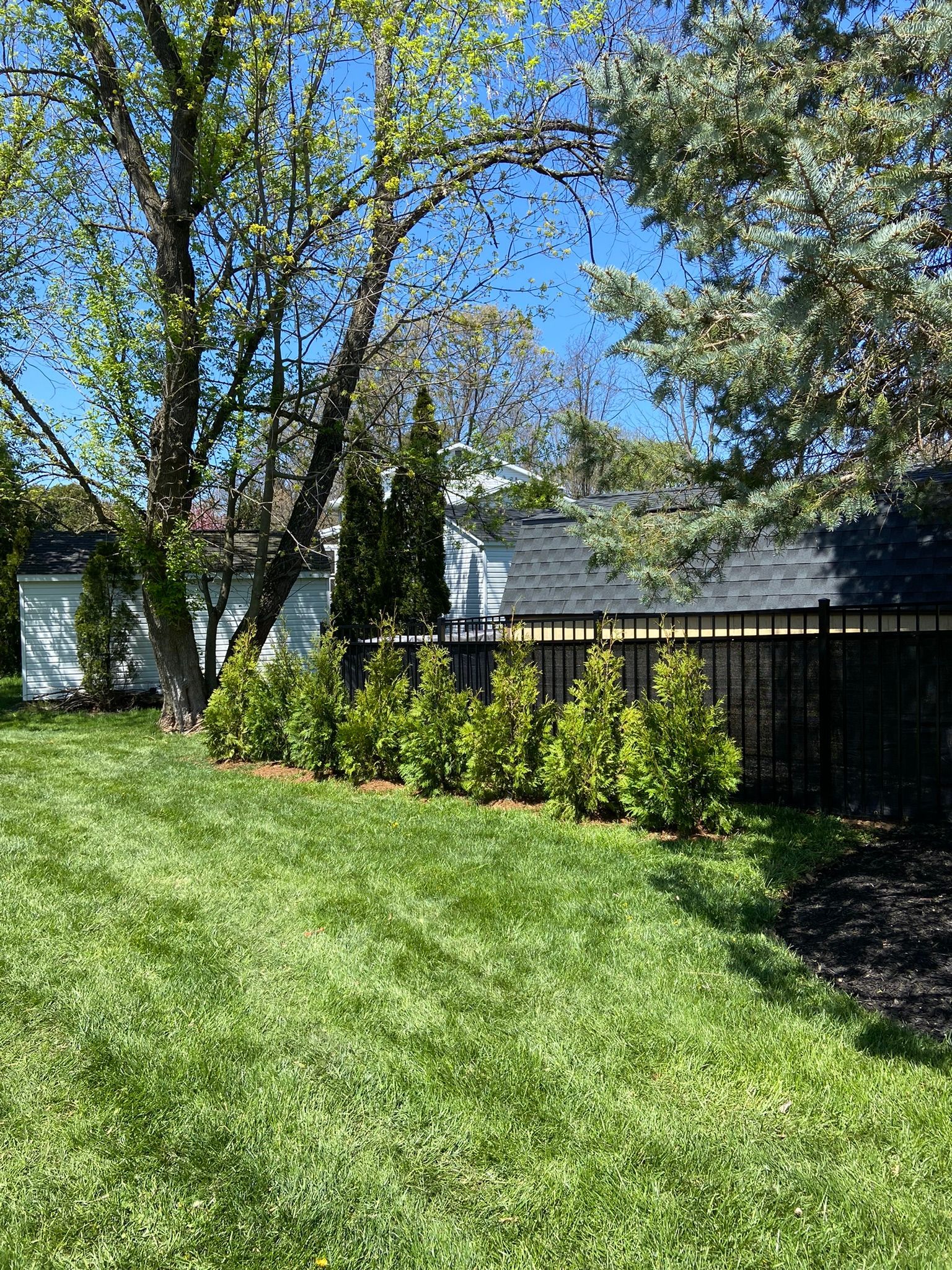
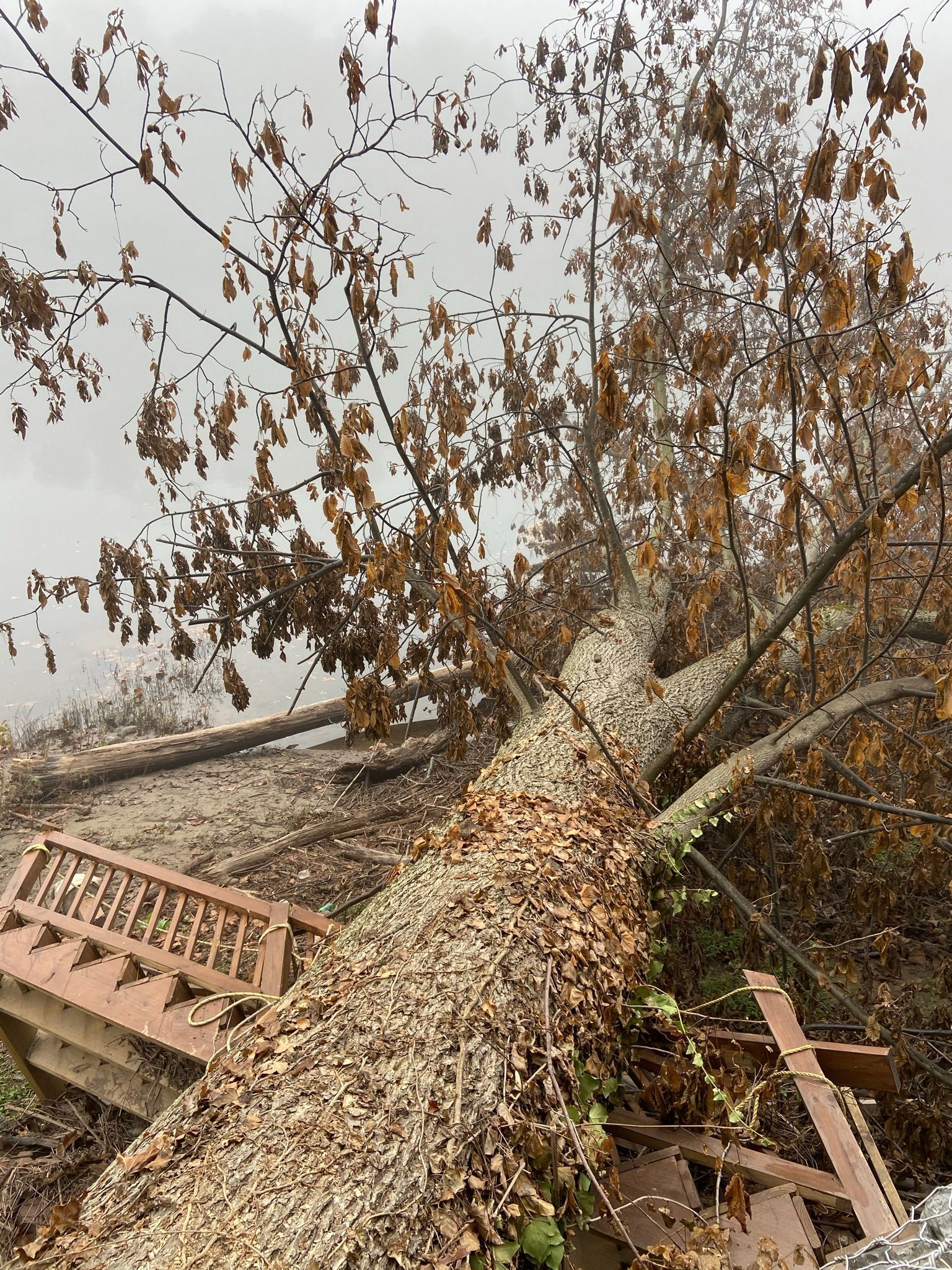
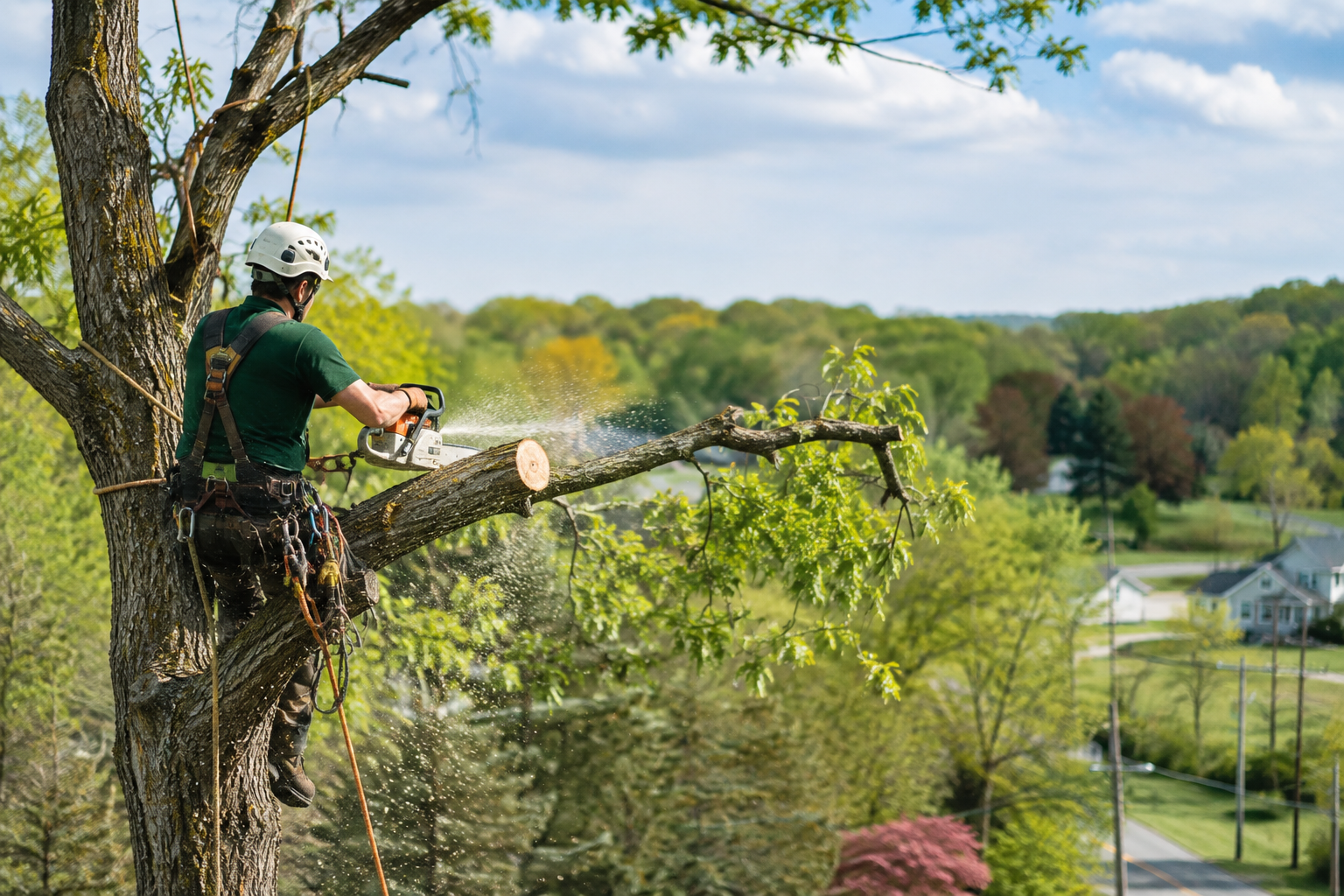
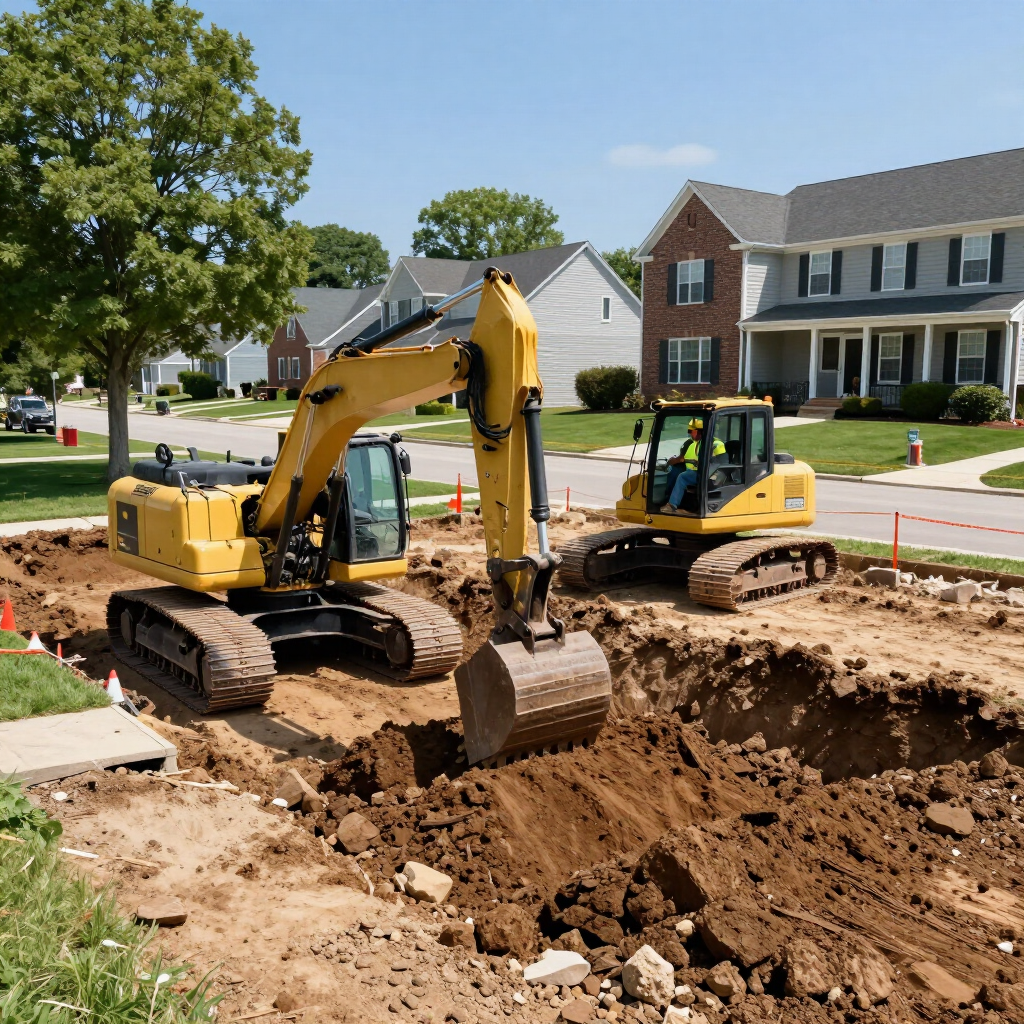
After a severe storm, your first priority should be keeping people away from damaged trees and checking for immediate hazards such as fallen limbs, leaning trunks, and downed power lines. Tree removal after a storm in Nazareth, PA should be handled by professionals when a tree is unstable, has fallen on a structure, or could cause additional property damage.
Knowing what to do during the first few hours after severe weather can help protect your family, limit additional property damage, and make the cleanup process safer. Even when a storm has passed, damaged trees and hanging branches can remain dangerous.
Why Trees Become Dangerous After a Storm
Trees are designed to withstand normal wind, rain, and seasonal weather, but severe storms can expose weaknesses that were already developing. A tree that appeared healthy before a storm may have hidden decay, compromised roots, weak branches, or structural defects.
Heavy rainfall can also saturate the soil surrounding a tree's root system. When saturated soil combines with strong winds, roots may lose some of the support they need to keep the tree upright.
Common types of storm-related tree damage include:
- Broken or hanging branches
- Split trunks
- Exposed or damaged roots
- Trees leaning toward buildings
- Partially uprooted trees
- Fallen trees blocking driveways or walkways
- Branches resting on roofs, vehicles, or fences
- Trees interfering with utility lines
Not every storm-damaged tree needs to be removed. However, severe structural damage should be professionally evaluated before anyone works, walks, or parks underneath the affected tree.
The National Weather Service advises people to stay away from downed power lines and remain alert for falling trees and branches during severe wind events.
What Should You Do First After a Storm Damages a Tree?
Once the immediate storm has passed, it can be tempting to begin cutting branches and clearing debris. Before doing that, assess the property carefully from a safe distance.
1. Keep Everyone Away From the Damaged Tree
Do not allow children, pets, visitors, or workers underneath damaged branches.
A partially broken limb can remain suspended in the canopy before falling unexpectedly. Likewise, a tree with compromised roots can shift or fall after the severe weather has passed.
Establish a safe area around the damaged tree until it can be professionally evaluated.
2. Check for Downed Power Lines
Never approach a tree that is touching or located close to a downed electrical line.
Do not attempt to pull branches away from utility lines yourself. Treat every downed wire as energized and contact the appropriate utility provider or emergency services.
Electrical hazards should be resolved before ordinary tree cleanup begins.
3. Check Your Home and Other Structures
From a safe location, determine whether the tree or branches have damaged any structures on the property.
Look for damage to:
- Roofs
- Garages
- Sheds
- Fences
- Vehicles
- Driveways
- Walkways
- Utility equipment
If a tree is resting on a building, avoid entering the affected section until the structure has been evaluated and it is safe to do so.
4. Document the Storm Damage
When conditions are safe, photograph the tree and any damaged property before cleanup begins.
Take several photos showing the overall scene as well as individual areas of damage. Documentation may be useful when discussing the incident with your homeowners insurance provider.
Avoid putting yourself in danger simply to obtain better photographs.
5. Contact a Professional Tree Removal Company
Large, unstable, or severely storm-damaged trees should not be treated as routine DIY yard cleanup.
A professional can determine whether the tree can be preserved through pruning or whether complete removal is the safest solution.
Homeowners in Nazareth, PA can contact Nemeth Landscape LLC for professional tree removal and storm cleanup services.
How Do You Know If a Storm-Damaged Tree Needs Removal?
A few broken branches do not automatically mean the entire tree needs to be removed. The location, severity, and structural impact of the damage all matter.
Several warning signs can indicate that professional tree removal should be considered.
The Tree Has Uprooted or Shifted
Visible root movement is a serious warning sign.
Look for:
- Soil lifting around the trunk
- Exposed roots
- Cracks developing around the root zone
- A tree that suddenly developed a noticeable lean
A tree depends on its root system for stability. When a substantial portion of that system shifts or becomes damaged, the entire tree can become unstable.
The Main Trunk Is Split
A large crack or split through the primary trunk can compromise the tree's structural integrity.
Storms can widen existing defects or create new fractures. A professional evaluation can help determine whether the remaining trunk is structurally capable of supporting the tree.
Major Limbs Have Failed
Losing a small branch is different from losing multiple large structural limbs.
Significant canopy damage can leave the tree unbalanced. Large open wounds can also expose the tree to additional stress and decay.
The Tree Is Suddenly Leaning
Some healthy trees naturally grow at an angle. The concern is a tree that develops a new or noticeably greater lean following a storm.
A sudden lean may indicate movement within the root system.
This is especially concerning when the tree points toward:
- A house
- Garage
- Neighboring property
- Driveway
- Road
- Children's play area
- Other frequently used spaces
Decay Has Been Exposed
Storm damage sometimes reveals internal decay that was difficult to see beforehand.
Warning signs may include:
- Hollow sections
- Soft wood
- Crumbling wood
- Cavities
- Fungal growth
- Large areas of dead wood
Significant internal decay can reduce the amount of healthy wood supporting the tree.
Can a Storm-Damaged Tree Be Saved?
Yes, some storm-damaged trees can be preserved.
A tree may only require professional pruning when its trunk and root system remain stable and the damage is primarily limited to individual branches.
Removing broken or hazardous limbs may allow the healthy portion of the tree to remain.
However, preserving a tree should never come at the expense of property safety. When major structural components have failed, removal may be the more appropriate long-term solution.
The International Society of Arboriculture provides homeowner resources covering tree care, pruning, tree health, and recognizing potentially hazardous conditions.
Why Is DIY Storm-Damaged Tree Removal Dangerous?
Storm-damaged trees can behave unpredictably.
A fallen tree may look stable from the ground, but branches and sections of the trunk can be under significant tension or compression. Cutting into the wrong area can release that stored force suddenly.
A branch or trunk may:
- Roll unexpectedly
- Swing toward the operator
- Split suddenly
- Drop without warning
- Kick backward during cutting
Working with a chainsaw around unstable trees adds considerable risk.
Large trees may also require specialized equipment and controlled removal techniques to prevent branches or trunk sections from striking buildings, vehicles, fences, or surrounding landscaping.
If you are searching for storm-damaged tree removal near me in Nazareth, PA, consider having the situation professionally evaluated rather than attempting a complex removal yourself.
What Happens During Professional Storm Tree Removal?
Every storm-damaged tree is different, so the exact process depends on its size, location, condition, and surrounding hazards.
Professional tree removal commonly involves several stages.
Site Assessment
The property is inspected to determine the condition of the tree and identify nearby hazards.
This may include evaluating structures, utility lines, terrain, access points, and surrounding trees.
Establishing a Safe Work Area
A controlled work zone helps protect homeowners, vehicles, neighboring properties, and anyone passing through the area.
Removing Hazardous Branches
Damaged limbs may need to be removed individually before the primary trunk can be addressed.
Controlled Tree Removal
When the entire tree needs to come down, it can be dismantled in sections according to the space available and the risks surrounding it.
Debris Cleanup
Once the immediate hazard has been removed, branches, logs, and other storm debris can be cleared from the property.
Stump Grinding or Removal
After the tree is gone, homeowners can decide whether the remaining stump should be ground down or completely removed.
Don't Ignore the Rest of Your Property After a Storm
Tree damage may be the most obvious problem after severe weather, but it is not always the only one.
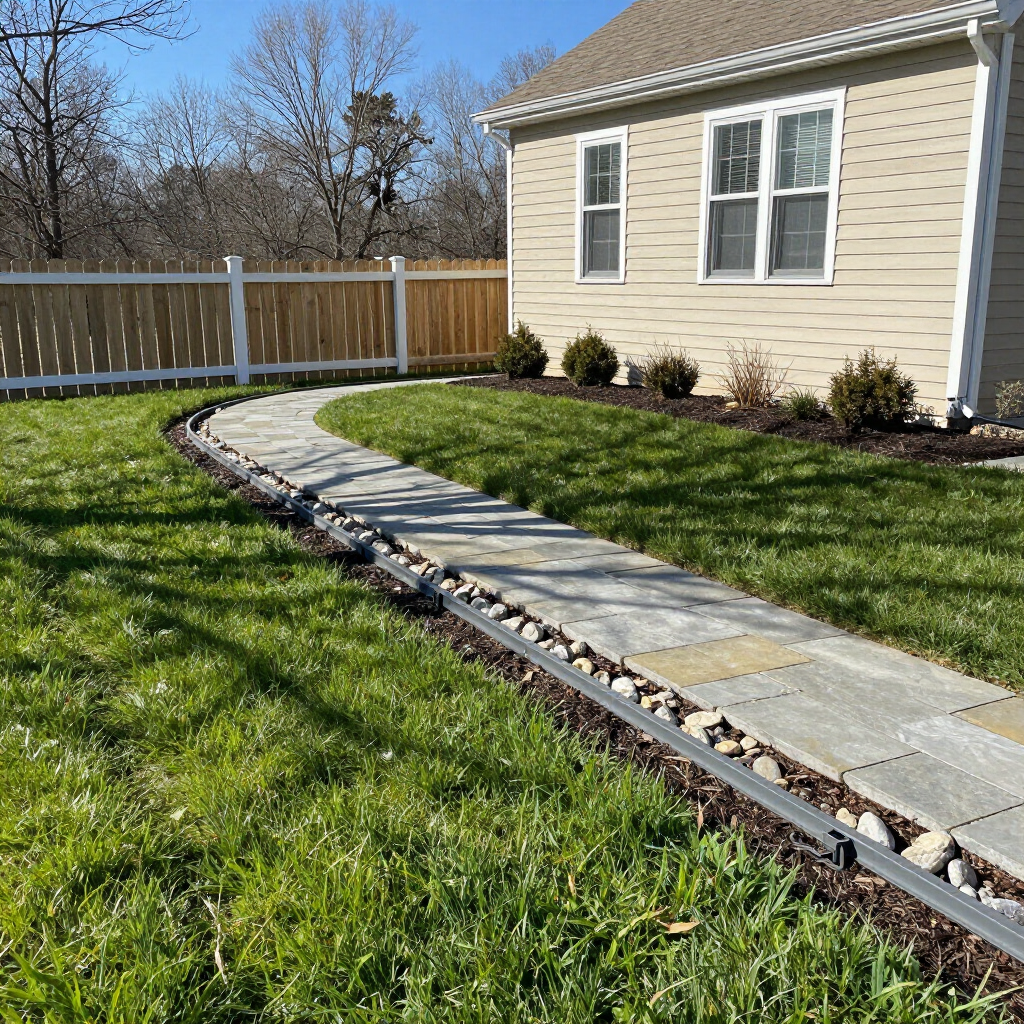
Heavy rainfall and runoff can also reveal drainage, grading, erosion, and soil stability problems.
Once immediate tree hazards have been addressed, inspect the property for:
- Standing water
- New low spots
- Soil erosion
- Washed-out landscaping
- Exposed roots
- Muddy areas that remain saturated
- Water flowing toward the house
- Changes in ground elevation
Persistent drainage problems can contribute to landscape damage and may affect the stability of soil around trees.
Nemeth Landscape LLC also provides grading, drainage, excavation, landscaping, and ground-related services.
How Can You Reduce Tree Damage Before the Next Storm?
No property owner can completely prevent storm damage. However, regular tree and property maintenance can help identify hazards before severe weather arrives.
Schedule Regular Tree Trimming
Dead, broken, or problematic branches can become dangerous during high winds.
Routine trimming can address obvious hazards and maintain better tree structure.
Watch Mature Trees for Changes
Pay attention to changes such as:
- New cracks
- Dead branches
- Cavities
- Fungal growth
- Exposed roots
- Changes in lean
A noticeable change is often more important than how a tree looks during a single inspection.
Address Drainage and Erosion
Water movement affects the soil surrounding tree roots.
If runoff repeatedly washes soil away or water collects around mature trees, correcting the underlying drainage problem may help protect the landscape.
Remove Dangerous Trees Before They Become Emergencies
A dead or structurally compromised tree may be safer and easier to remove under planned conditions than after it falls during severe weather.
Proactive tree removal also gives homeowners more control over scheduling and property preparation.
Frequently Asked Questions About Tree Removal After a Storm
Who should I call for a fallen tree after a storm in Nazareth, PA?
Contact a professional tree removal company for a fallen tree on private property. If the tree is touching a power line or another electrical hazard is present, stay away and contact the utility provider or emergency services first.
Should a leaning tree be removed after a storm?
Not every leaning tree requires removal. However, a new or significantly increased lean after a storm can indicate root movement or structural instability. The tree should be professionally evaluated.
Can broken branches fall after the storm has passed?
Yes. Broken branches can remain caught in the canopy and fall hours or even days later. Avoid walking, working, or parking beneath a visibly damaged tree until the hazard has been addressed.
Will homeowners insurance cover tree removal after a storm?
Coverage varies by policy and circumstances. Whether the tree damaged an insured structure may affect coverage. Document the damage and contact your insurance provider for guidance specific to your policy.
Should I inspect other trees after severe weather?
Yes. If one tree was badly damaged, inspect other mature trees around the property from a safe distance. Look for broken branches, new leaning, root movement, cracks, or other changes that appeared after the storm.
Get Tree Removal After a Storm in Nazareth, PA
When severe weather leaves your property with a fallen, leaning, or badly damaged tree, acting quickly can help prevent additional problems. Keep people away from unstable trees, watch for electrical hazards, document property damage when safe, and arrange a professional assessment.
Nemeth Landscape LLC serves Nazareth, PA and provides tree removal, emergency storm cleanup, tree trimming and pruning, stump grinding and removal, excavation, landscaping, grading and drainage solutions, sinkhole repair, and ground stabilization services.
If you need professional help after severe weather, contact Nemeth Landscape LLC to discuss the condition of your property and the safest next step.
Contact Nemeth Landscape LLC:
Do not wait for a weakened tree or hanging branch to cause additional property damage. Have storm-related tree hazards evaluated and take action before conditions worsen.