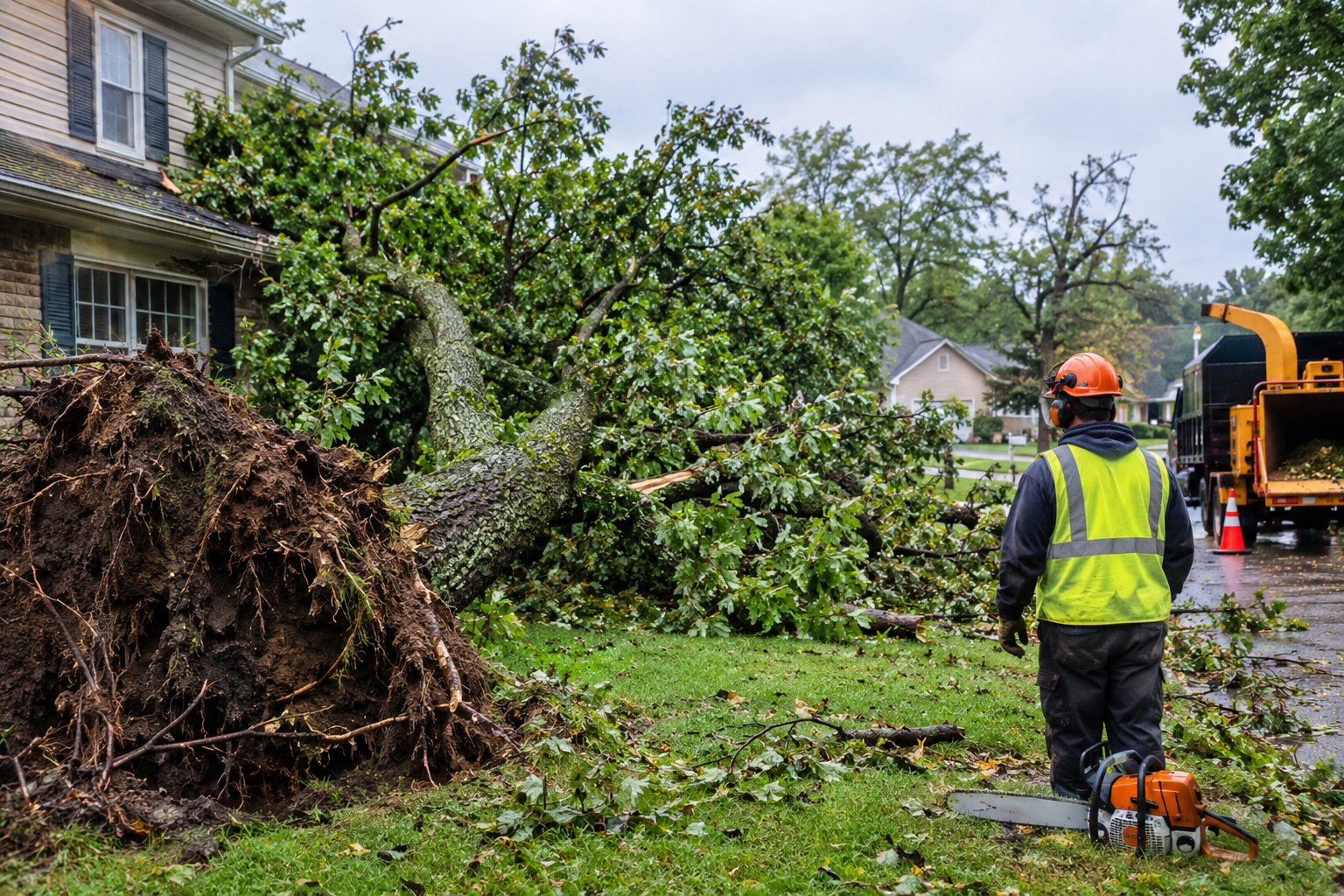
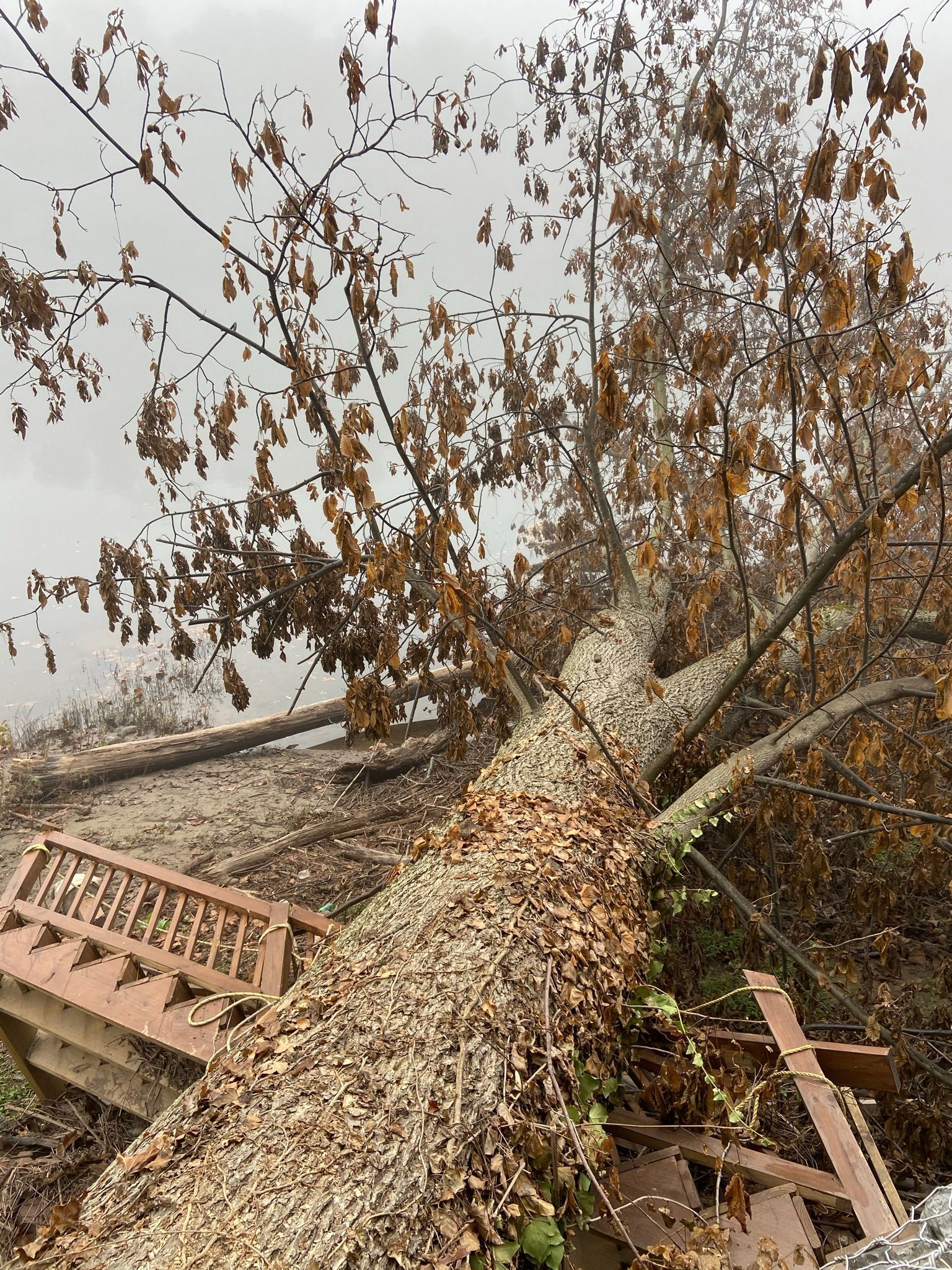
A dead tree should be addressed before falling branches or structural failure turn it into an emergency. Dead tree removal in Nazareth, PA is especially important when a declining tree is close to a house, driveway, vehicle, utility line, or frequently used part of the property. Once a tree dies, its wood and root system can gradually weaken, increasing the possibility of branches or the entire tree failing.
If you suspect a tree on your property is dead, arrange a professional evaluation rather than waiting for the next storm to reveal how unstable it has become.
Why Are Dead Trees Dangerous?
Living trees continuously grow and respond to changes in their environment. Once a tree dies, that process stops. The remaining wood begins to deteriorate over time, and branches can become increasingly brittle.
A dead tree may remain standing for some time, but standing does not necessarily mean stable.
Potential hazards include:
- Falling branches
- Trunk failure
- Root deterioration
- Damage during high winds
- Damage to homes and vehicles
- Blocked driveways or walkways
- Injury to people or pets
Weather can accelerate these problems. Wind, heavy rain, snow, ice, and freeze-thaw cycles can place additional stress on weakened wood.
For homeowners in Nazareth, PA, dealing with a dead tree under controlled conditions is usually preferable to waiting until severe weather turns it into an emergency removal.
How Can You Tell If a Tree Is Dead?
A tree without leaves is not automatically dead. Deciduous trees naturally lose their foliage during colder months, and some stressed trees may have delayed growth.
Instead, look for several warning signs together.
1. No Leaves During the Growing Season
One of the clearest warning signs is a tree that fails to produce leaves when similar trees nearby are actively growing.
If only part of the canopy is bare, the tree may have significant deadwood rather than being completely dead.
Either situation deserves attention.
2. Brittle and Breaking Branches
Dead branches tend to become dry and brittle.
Small twigs may snap easily rather than bend. Larger branches can eventually break under their own weight or during windy conditions.
Large dead branches over roofs, driveways, patios, or walkways should be evaluated promptly.
3. Extensive Bark Loss
Some bark shedding is normal for certain tree species. Widespread bark loss combined with other symptoms, however, may indicate severe decline.
Areas where bark has fallen away can reveal dry, damaged, or decaying wood underneath.
4. Fungal Growth or Decay
Mushrooms and other fungal growth around the trunk or root area can sometimes be associated with decaying wood.
Visible decay does not always mean the entire tree is dead, but it can indicate that structural components have deteriorated.
5. Large Dead Sections in the Canopy
A tree may decline gradually rather than dying all at once.
When substantial portions of the canopy contain no leaves and numerous branches are dead, professional evaluation can determine whether pruning is sufficient or removal is appropriate.
6. Trunk Cracks or Cavities
Large cracks, cavities, and hollow sections can reduce structural strength.
A tree with significant trunk damage may present a hazard even if some parts of the canopy are still alive.
Why Shouldn't You Leave a Dead Tree Standing?
Homeowners sometimes delay dead tree removal because the tree is not currently causing an obvious problem.
The concern is that deterioration continues.
Falling Branches Become More Likely
Dead branches can detach without much warning. Wind, rain, snow, or ice may increase the likelihood of failure, but a severely weakened branch can also fall during calm weather.
If the tree stands over an area people regularly use, the risk becomes more important.
The Entire Tree May Eventually Fail
As roots and structural wood deteriorate, the tree may become less capable of supporting itself.
The direction in which a tree will fall is not always predictable.
A tree that appears to lean away from a house could still break differently during a storm because of wind direction, trunk failure, or branch weight.
Removal Can Become More Complicated
A dead tree that has significantly deteriorated can be more challenging to work around than a structurally sound tree.
Waiting until it collapses can also turn a planned tree service into an urgent cleanup project involving damaged structures or blocked access.
Dead Trees Can Affect Curb Appeal
A large dead tree can make an otherwise well-maintained property look neglected.
Removing it can open opportunities for new landscaping, lawn restoration, or planting in a more suitable location.
When Does Dead Tree Removal Become an Emergency?
Not every dead tree requires an emergency response, but some conditions call for prompt action.
Contact a professional as soon as possible when:
- The tree suddenly begins leaning
- Large branches have started falling
- The trunk has developed a major split
- Roots appear lifted or exposed
- The tree is close to your home
- The tree threatens a driveway or road
- Storm damage has made the tree less stable
- The tree or branches are near utility lines
If electrical lines are involved, do not approach the tree or attempt to cut branches yourself. Contact the appropriate utility provider or emergency service.
The National Weather Service advises people to watch for falling trees, branches, and downed power lines during high-wind events.
Can a Dead Tree Be Saved?
A completely dead tree cannot be restored to health.
However, determining whether a tree is truly dead is important. Some trees experiencing drought, disease, root stress, or other problems may still contain enough living tissue to recover with appropriate care.
That is one reason professional evaluation is useful.
If only individual branches are dead, targeted pruning may be an option. If the trunk, major structural branches, and root system have died or deteriorated substantially, removal may be the safest solution.
The International Society of Arboriculture offers homeowner information about tree health, proper tree care, and recognizing potential hazards.
Why Professional Dead Tree Removal Is Safer Than DIY Removal
Cutting down a small tree in an open area is very different from removing a large dead tree near a home.
Dead trees can be particularly unpredictable because deteriorated wood may not respond to cutting the same way healthy wood does.
Potential DIY hazards include:
- Unexpected branch failure
- Brittle limbs breaking overhead
- Incorrect fall direction
- Chainsaw injuries
- Damage to buildings and fences
- Trees becoming lodged in nearby trees
- Falling trunks or branches striking vehicles
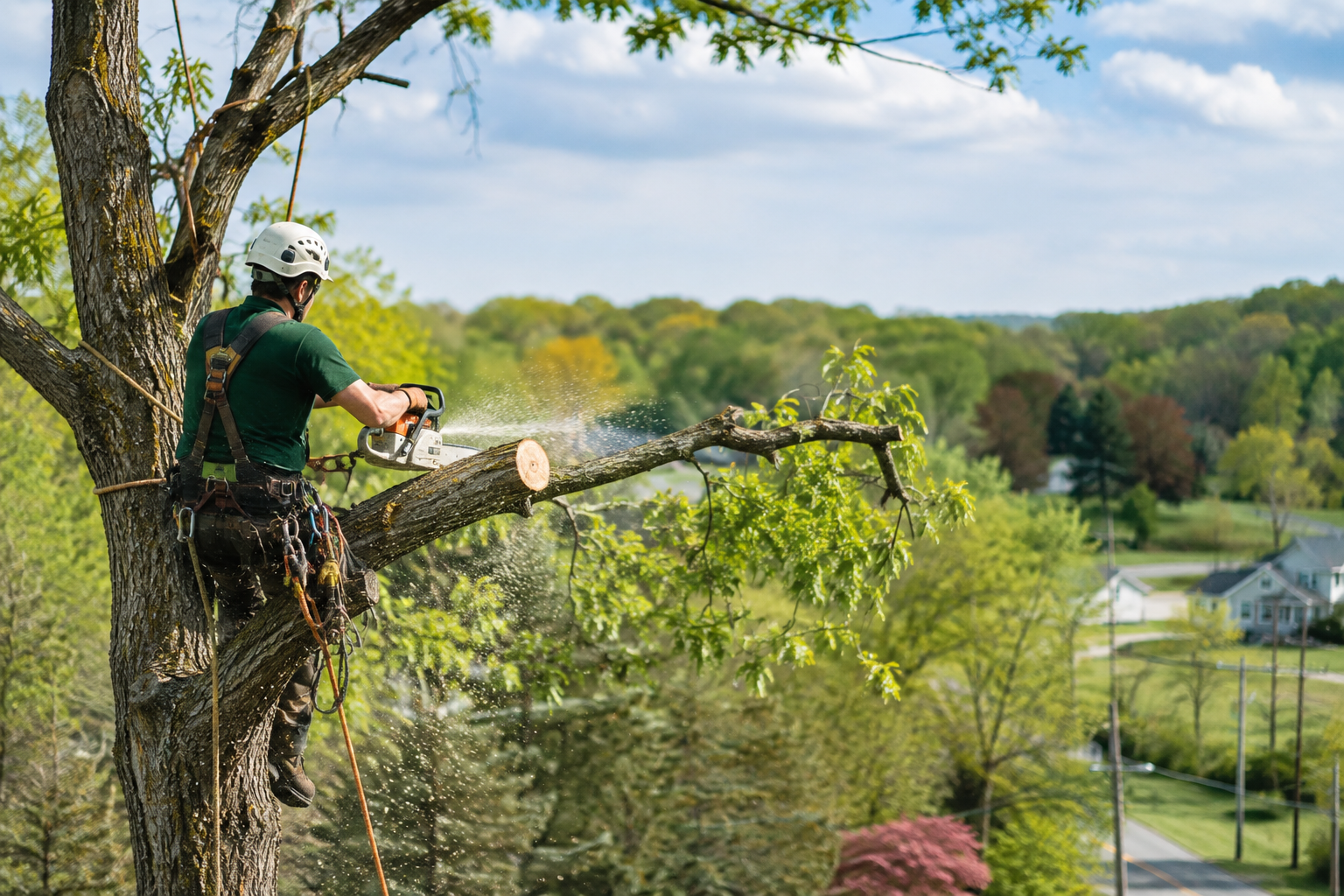
Large trees may need to be dismantled in controlled sections instead of being cut from the base.
Professional equipment and removal planning become particularly important when space is limited.
If you are searching for dead tree removal near me in Nazareth, PA, choose a service provider capable of evaluating the surrounding property before beginning work.
What Happens During Professional Dead Tree Removal?
The process depends on the tree's size, location, condition, and accessibility.
Property and Tree Assessment
The tree and surrounding area are evaluated before cutting begins.
Important considerations can include:
- Tree height
- Trunk condition
- Branch structure
- Nearby buildings
- Utility lines
- Fences
- Landscaping
- Vehicle access
- Ground conditions
Creating a Safe Work Area
People, vehicles, and movable property should be kept outside the work zone.
Removing Branches
On trees close to structures, branches may need to be removed individually before the trunk can be dismantled.
Removing the Trunk
The trunk can then be removed using a method appropriate for the space and condition of the tree.
Cleaning the Property
Branches and logs are cleared according to the agreed scope of work.
Addressing the Stump
Once the tree has been removed, the remaining stump can be ground down or removed depending on your plans for the area.
Nemeth Landscape LLC provides tree and property services for customers in the Nazareth area.
Should You Remove the Stump After a Dead Tree Is Gone?
Removing the tree solves the immediate overhead hazard, but homeowners should also decide what to do with the stump.
Stump grinding may be useful when you want to:
- Improve the appearance of the lawn
- Eliminate a tripping obstacle
- Make mowing easier
- Prepare the area for landscaping
- Reclaim usable yard space
Complete stump removal may be considered when future construction, excavation, or substantial landscaping is planned for that exact location.
The right option depends on how you intend to use the property after tree removal.
How Can Homeowners Reduce Future Tree Hazards?
Trees change over time, so periodic observation is valuable even when everything appears healthy.
Inspect Trees After Severe Weather
After high winds or heavy storms, look from a safe distance for new cracks, hanging branches, leaning, or exposed roots.
Trim Dead or Hazardous Branches
Regular tree trimming can address deadwood before branches become larger hazards.
Pay Attention to Drainage
Poor drainage, erosion, and changing soil conditions can affect the area surrounding tree roots.
If water routinely pools around trees or washes soil away, consider whether grading or drainage improvements are necessary.
Don't Ignore Gradual Decline
A tree may show warning signs for months or years before complete failure.
Repeated branch dieback, increasing cavities, significant decay, or major structural changes deserve professional attention.
Early evaluation gives you more options and time to plan.
Frequently Asked Questions About Dead Tree Removal
How quickly should a dead tree be removed?
A dead tree should be evaluated promptly, particularly when it is close to a home, driveway, walkway, neighboring property, or another area where failure could cause injury or damage. Trees showing active structural failure may require faster action.
Can a dead tree fall without a storm?
Yes. Dead trees and branches can fail even during relatively calm weather as wood and roots continue to deteriorate.
Is it cheaper to remove a dead tree before it falls?
Every project is different, but planned removal may help avoid additional costs associated with emergency response, structural damage, or difficult cleanup after a tree falls.
Can I remove a dead tree myself?
Small trees in open areas present different challenges than large mature trees. Large dead trees, trees near buildings, and trees with unstable branches should generally be handled by professionals because of the unpredictable nature of deteriorated wood.
What should I do if a dead tree is near a power line?
Stay away from the tree and line. Do not attempt to cut or move branches yourself. Contact the appropriate utility provider for guidance.
Schedule Dead Tree Removal in Nazareth, PA
A dead tree does not become safer by remaining on your property. As branches, trunk wood, and roots deteriorate, the potential for failure can increase.
If you notice a tree with extensive dead branches, trunk decay, major cracks, root problems, or other signs of serious decline, have it evaluated before the next severe storm makes the decision for you.
Nemeth Landscape LLC serves Nazareth, PA and offers tree removal, emergency tree removal and storm cleanup, tree trimming and pruning, stump grinding and removal, excavation, landscaping, grading and drainage solutions, sinkhole repair, and ground stabilization services.
For professional dead tree removal in Nazareth, PA, contact Nemeth Landscape LLC to discuss your property and request service.
Addressing a hazardous tree early can help protect your home, outdoor spaces, vehicles, and the people who use your property.